The best discounts this week
Every week you can find the best discounts here.
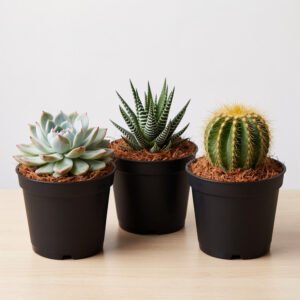
Echeveria, Zebra Haworthia & Cactus Combo | 3 Low-Maintenance Succulent Plants
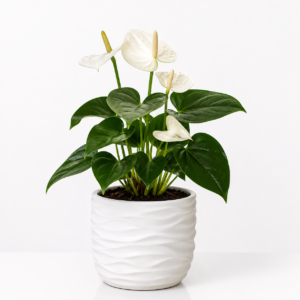
White Anthurium Flowering Plant | Live Indoor Flowering Plant for Home & Office | 4 Inch Decorative Pot
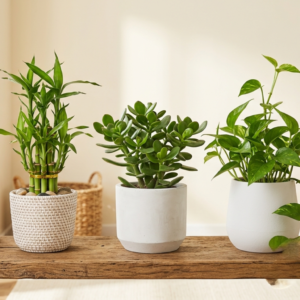
Good Luck & Prosperity Plant Combo | Lucky Bamboo (3 Layer) + Jade Plant + Money Plant
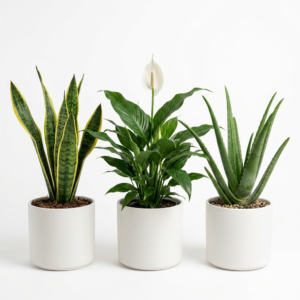
Air Purifying Plant Combo (Snake Plant + Peace Lily + Aloe Vera)
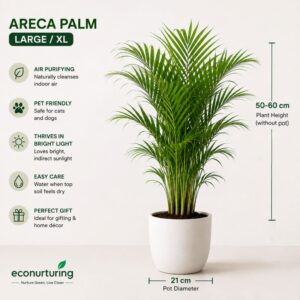
Areca Palm (Large / XL)
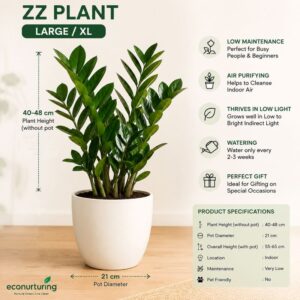
ZZ Plant Large – XL
What Causes Spider Plant Brown Tips? (With Easy Solutions)
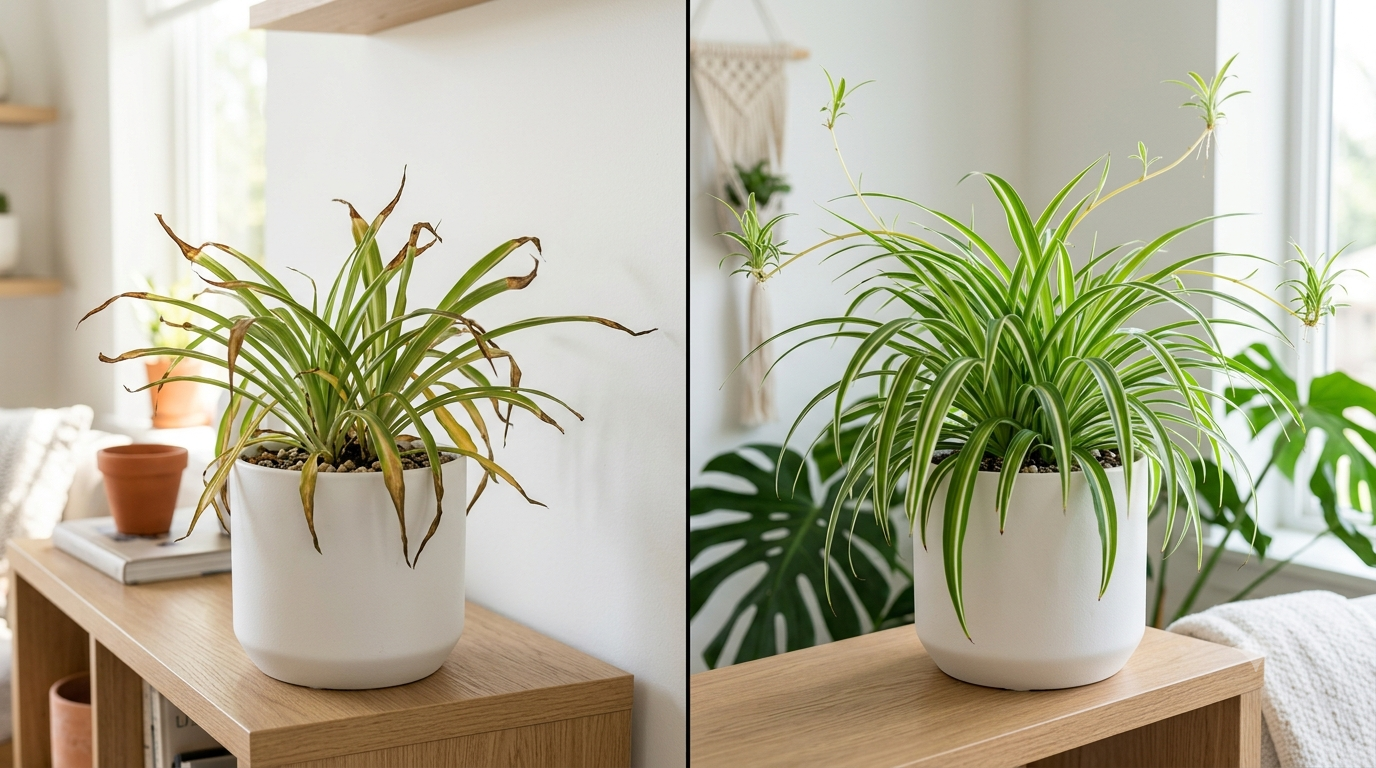
Seeing Spider Plant brown tips is a common problem for plant owners. The good news is that, in most cases, it’s easy to identify the cause and restore your plant’s health. Below are the most common reasons why Spider Plant leaves develop brown tips, along with practical solutions.
1. Overwatering
Overwatering is one of the leading causes of brown leaf tips. When the soil remains constantly wet, the roots can’t get enough oxygen, which can lead to root rot and unhealthy foliage.
Solution:
- Water only when the top 1–2 inches of soil feel dry.
- Always use a pot with drainage holes.
- Empty excess water from the saucer after watering.
- Repot the plant if the soil stays soggy for long periods.
2. Underwatering
A Spider Plant that doesn’t receive enough water may develop dry, crispy brown tips because it cannot maintain healthy leaf growth.
Solution:
- Water thoroughly until excess water drains from the bottom.
- Check soil moisture regularly, especially during hot weather.
- Avoid letting the soil stay completely dry for extended periods.
3. Low Humidity
Spider Plants prefer moderate humidity. Dry indoor air, especially during summer or in air-conditioned rooms, can cause leaf tips to dry out.
Solution:
- Mist the leaves occasionally.
- Place a bowl of water near the plant.
- Group indoor plants together to create a more humid environment.
- Use a humidifier if your home is very dry.
4. Tap Water Chemicals
Fluoride, chlorine, and excess minerals in tap water can accumulate in the soil and cause brown leaf tips over time.
Solution:
- Use filtered, distilled, or rainwater whenever possible.
- If using tap water, let it sit overnight before watering.
- Flush the soil every few months with clean water to remove salt buildup.
5. Too Much Fertilizer
Excess fertilizer causes salt buildup in the soil, which can burn the roots and lead to brown leaf tips.
Solution:
- Fertilize only during the growing season.
- Follow the recommended dosage on the fertilizer label.
- Flush the soil occasionally to remove excess salts.
- Avoid fertilizing stressed or newly repotted plants.
6. Too Much Direct Sunlight
While Spider Plants enjoy bright light, prolonged direct sunlight can scorch the leaves and cause brown, dry tips.
Solution:
- Place the plant in bright, indirect sunlight.
- Use a sheer curtain if the plant is near a south- or west-facing window.
- Rotate the pot regularly for even growth.
7. Root-Bound Plant
When roots fill the entire pot, they compete for water and nutrients, often causing brown tips and slower growth.
Solution:
- Repot every 1–2 years or when roots emerge from the drainage holes.
- Choose a pot that is 1–2 inches larger than the current one.
- Use a well-draining potting mix containing cocopeat, compost, and perlite.
8. Poor Soil Drainage
Heavy or compacted soil retains too much water and reduces airflow around the roots.
Solution:
- Use a light, well-draining potting mix.
- Mix cocopeat with compost and perlite or coarse sand for better drainage.
- Replace old, compacted soil when repotting.
9. Temperature Stress
Extreme heat, cold drafts, or sudden temperature changes can damage the leaf tips.
Solution:
- Keep your Spider Plant in temperatures between 18°C and 27°C.
- Avoid placing it near heaters, air conditioners, or open windows during extreme weather.
10. Natural Leaf Aging
Older leaves naturally turn brown as the plant directs energy toward producing new growth.
Solution:
- Trim brown or dead leaf tips with clean, sterilized scissors.
- Continue providing proper care to encourage healthy new leaves.
- Remove completely dead leaves to keep the plant looking neat.
Quick Prevention Tips
- Water only when needed, not on a fixed schedule.
- Use filtered or rainwater if possible.
- Provide bright, indirect light.
- Maintain moderate humidity.
- Use a well-draining potting mix.
- Fertilize in moderation.
- Repot when the plant becomes root-bound.
- Inspect your Spider Plant regularly for early signs of stress.
With proper care, your Spider Plant can recover from brown tips and continue producing lush, healthy green foliage that brightens your home for years.